Bathroom Tile: Styles, Installation & Tips
Date
2026-01-10 11:27:27
Category
Bathroom
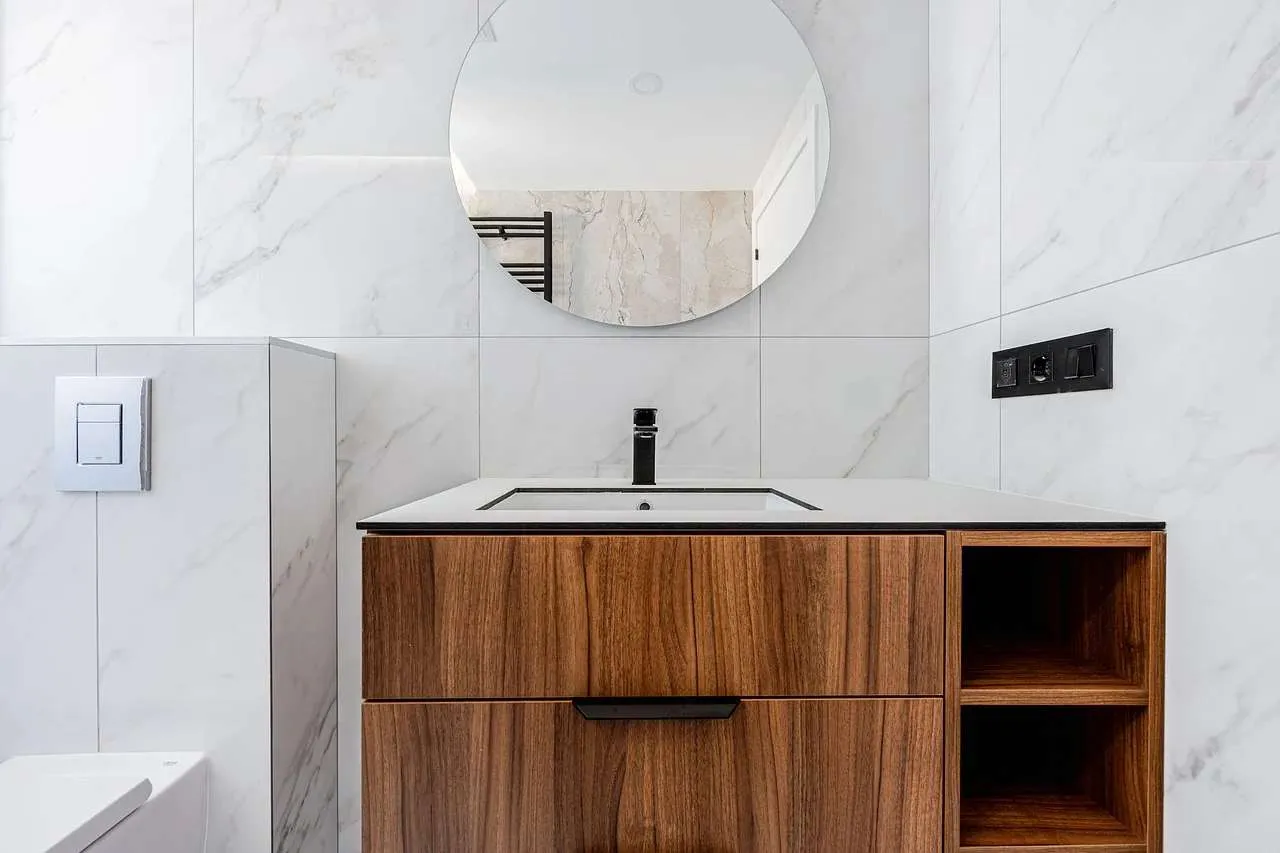
Choosing the right bathroom tile sets the tone for durability, hygiene, and style. With careful selection and proper installation, tile can last for decades while protecting wet surfaces. This guide explains options, design ideas, installation basics, and maintenance strategies to help homeowners and professionals achieve a high-EEAT result.
Understanding bathroom tile options
Bathroom tile comes in several families. The most common for floors and wet areas are ceramic and porcelain tiles, with natural stone and glass used for accents. Porcelain tiles typically have very low water absorption (0.5% or less) and high density, making them ideal for showers and floors. Ceramic tiles are versatile and budget-friendly, often used on walls or low-traffic areas. Natural stone such as marble, travertine, or slate brings a premium look but requires sealing and ongoing care. Glass tiles provide reflective surfaces and can brighten a space, yet may require extra maintenance and careful installation.
Ceramic vs porcelain vs natural stone
Both ceramic and porcelain are clay-based and fired; the difference is density and absorption. Porcelain is harder, less porous, and more durable in moisture-rich zones. Ceramic is softer and typically less expensive, great for walls and backsplashes. Natural stone offers unique veining and warmth but needs regular sealing and gentle cleaners to preserve its beauty. When in doubt for showers and floors, opt for porcelain or porcelain-look ceramic with a reliable waterproofing system.
Other options: glass and large-format tiles
Glass tiles add sparkle and can create a modern look for backsplashes and shower niches. They are non-porous and easy to clean but can show soap scum and require precise installation. Large-format tiles (12x24 inches or larger) reduce grout lines, producing a contemporary feel and easier maintenance, but may require skilled cutting and straight walls.
Design and layout ideas
Arrangement influences perception. Lighter colors reflect light, while darker grout can hide dirt. Subway tiles remain a timeless choice; patterns such as stacked, brick, herringbone, or chevron create texture. Floor tiles with matte finishes reduce slipperiness; if you prefer a pattern, consider a contrasting border or a decorative band around the shower. Coordination with cabinetry, fixtures, and metal tones helps maintain a cohesive look while still expressing personality.
Installation basics and best practices
Proper substrate preparation is essential for durability. Use a flat, clean substrate and an appropriate underlayment in wet zones. In showers, apply a waterproof membrane over cement backer board and set tiles with a quality thinset mortar. Plan tile layout to minimize small cuts and ensure consistent grout lines. For wet areas and multi-unit projects, professional installation is recommended to achieve proper waterproofing and a durable finish.
Grout, sealants, and maintenance
Select cementitious grout for most projects or epoxy grout for high-stain resistance and lower maintenance. Seal cementitious grout soon after installation and reseal every 6–24 months depending on use and product. Stone tiles require compatible sealers and periodic reapplication. Clean tiles with pH-neutral cleaners to preserve color and glaze, and avoid harsh acidic agents that can damage grout and stone.
Maintenance and longevity
Routine care extends tile life: mop or wipe surfaces after use, fix leaks promptly, and ventilate bathrooms to reduce moisture. Inspect grout lines for cracks and chips; repoint or replace damaged sections as needed. If tiles show wear or staining, consider regrouting or replacing affected areas to maintain performance and appearance.
Comparison: tile types at a glance
| Tile Type | Pros | Cons | Best For | Typical Cost (per sq ft) |
|---|---|---|---|---|
| Ceramic | Budget-friendly, versatile colors | More porous than porcelain | Walls, light-traffic floors | $1–$4 |
| Porcelain | Durable, very low water absorption | Higher cost, harder to cut | Showers, floors, wet areas | $2–$8 |
| Natural Stone | Premium look, unique veining | Sealing and maintenance required | Accent walls, luxury floors | $5–$20 |
| Glass | Bright, contemporary; non-porous | Slippery when wet; can show residues | Backsplashes, features | $7–$20 |
Costs vary by region, brand, and labor. For most bathrooms, porcelain provides the best balance of durability and maintenance, while ceramic offers a budget-friendly option for walls and light-traffic areas. Stone and glass deliver distinctive aesthetics but require higher upkeep and skilled installation.
Conclusion
Choosing bathroom tile involves balancing performance, style, and care. Focus on durable, water-resistant options for floors and showers, and align color and pattern with cabinetry and fixtures. A qualified installer ensures proper waterproofing and long-lasting results, while a thoughtful maintenance plan preserves beauty for years to come.
Summary: This guide covers tile types, design ideas, installation basics, and maintenance strategies to help you select, install, and maintain bathroom tile that endures and looks great.
Related Articles
Bathroom Decor Ideas: Elevate Your Space
Read More >
Bathroom Decor Ideas: Stylish & Budget-Smart Tips
Read More >