Corrugated Metal Roofing: Durable, Efficient Choice
Date
2026-01-10 11:30:54
Category
Roof
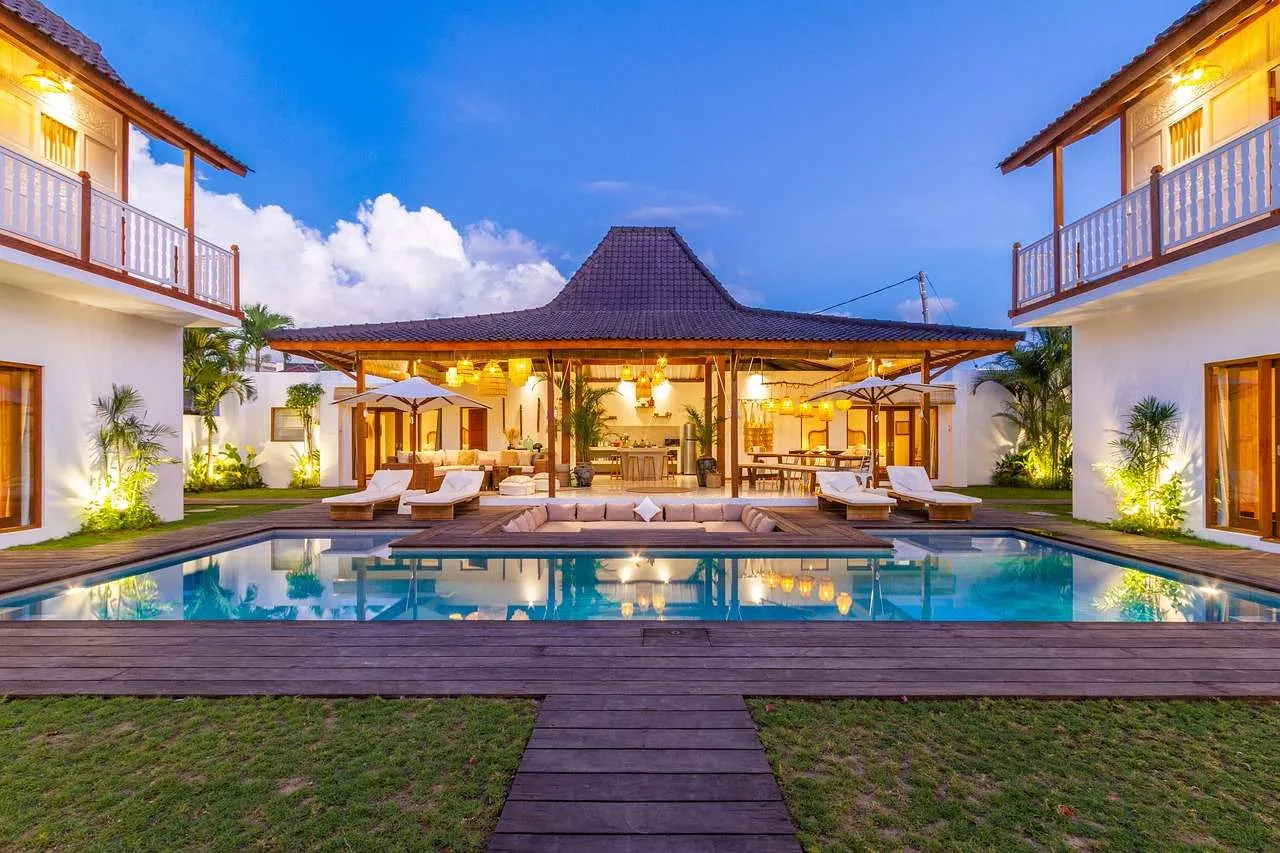
What is corrugated metal roofing?
Corrugated metal roofing uses steel, aluminum, or copper panels with a repeating wave-like profile. The corrugation strengthens each panel, allowing for longer spans with less support and making the roof lighter than many traditional materials. This profile also helps shed rain and snow efficiently, contributing to overall performance in diverse climates.
Materials and finishes
Several metals are used for corrugated roofing, each with its own pros and tradeoffs:
Galvanized steel
Most common and affordable, galvanized steel is coated with zinc to resist corrosion. It is durable, lightweight, and easy to install, but may require protective coatings in harsh coastal or industrial environments to extend life.
Aluminum
Aluminum panels offer excellent corrosion resistance and are lightweight. They can be a good choice for coastal areas but may come with a higher upfront cost than galvanized steel. Finishes can help mimic traditional aesthetics while delivering long-term performance.
Copper and zinc
Copper and zinc provide premium aesthetics and very long lifespans. They patina over time, creating a distinct look, and are typically reserved for high-end projects due to higher material costs and specialized installation requirements.
Benefits and drawbacks
- Durability and wind resistance: Modern corrugated panels resist impact and high winds when properly fastened.
- Lightweight: Easier to transport and install than some asphalt or tile roofs, reducing structural load.
- Low maintenance: Minimal repainting or resealing is often needed compared with other roofing types.
- Energy efficiency: Reflective coatings or natural metal properties can reduce cooling costs in hot climates.
- Cost flexibility: Options range from budget galvanized steel to premium copper, suiting various budgets.
Cost, installation, and longevity
Costs vary by material, finish, and labor. Typical installed prices per square foot can range from modest to premium, depending on material choice and region. A well-installed corrugated roof can last several decades, with galvanized steel often reaching 40 to 60 years, aluminum 50 to 60 years, and copper or zinc considerably longer. Warranty terms from manufacturers and installers add protection and confidence for homeowners.
| Material | Typical Lifespan | Cost per sq ft (installed) | Pros | Cons |
|---|---|---|---|---|
| Galvanized steel | 40-60 years | $4-$8 | Affordable, quick install, lightweight | Rust risk in damp environments; coating wear |
| Aluminum | 50-60 years | $6-$12 | Excellent corrosion resistance, lightweight | Higher upfront cost; softer than steel |
| Copper | 70-100+ years | $15-$25 | Premium look, longevity, patina | Expensive, specialized installation |
| Zinc | 60-100+ years | $10-$20 | Unique aesthetics, long life | Costly, oxidation may affect appearance |
Maintenance and installation tips
Professional installation is critical to seal integrity and weatherproofing. Hire licensed contractors with experience in metal roofing, ask for warranties, and verify drainage compatibility. Regular maintenance includes inspecting flashings, coatings, fasteners, and ensuring there are no loose panels after storms. For coastal or salty environments, ask about corrosion-resistant coatings and sealants to maximize lifespan.
Choosing the right contractor
EEAT matters for roofing projects. Look for contractors who can demonstrate expertise with case studies or portfolios of corrugated metal installations, provide clear written estimates, and offer warranties on labor and materials. Check references, confirm insurance coverage, and verify local licensing requirements. A well-documented plan with proper detailing around penetrations, gutters, and roof-to-wall transitions contributes to a durable result.
Design considerations and climate fit
Corrugated metal roofing adapts to various architectural styles—from industrial to farmhouse. The panel profile, seam type, and color/finish influence heat absorption, glare, and aesthetics. In hot climates, lighter colors and reflective coatings improve energy efficiency; in cold regions, proper insulation beneath the metal and a ventilated ridge line help prevent condensation and ice damming.
FAQ snapshot
Common questions include compatibility with existing underlayment, suitability for new or retrofit roofs, and expected maintenance schedules. Always consult a seasoned contractor to tailor the system to your home’s structure, climate, and budget, ensuring compliance with local building codes and warranties.
Conclusion, corrugated metal roofing offers durability, versatility, and long-term value when correctly chosen and professionally installed. By understanding materials, costs, and maintenance, homeowners can select a system that meets climate demands, aesthetic goals, and budget, while ensuring lasting performance through proper care.
Related Articles
Metal Roofing Panels: Types, Benefits, and Buying Guide
Read More >
Roofing and Roof Repairs: A Trusted Guide
Read More >
TPO Roofing Guide: Benefits, Costs & Tips
Read More >