Home Window Tinting: Comfort, Privacy, and Savings
Date
2026-01-10 11:31:57
Category
Window
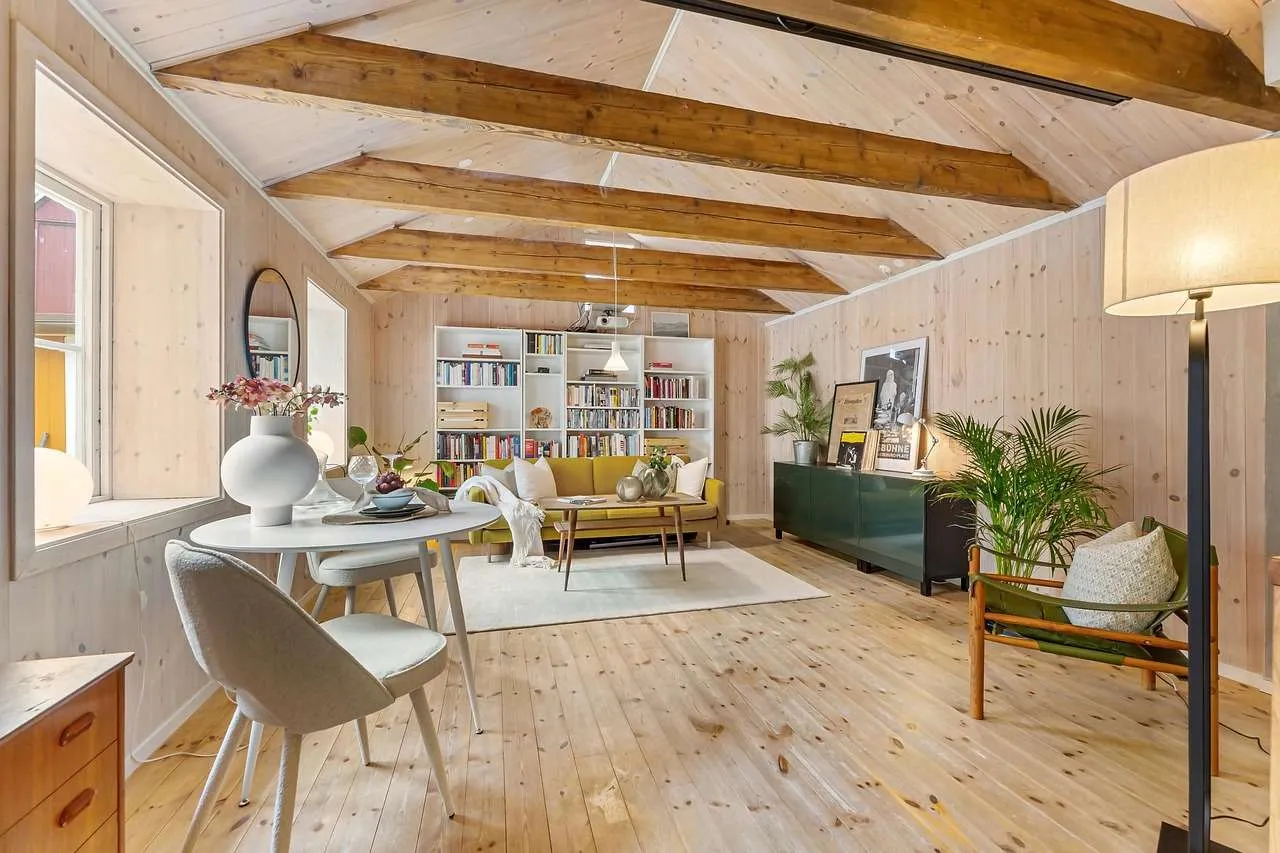
Home window tinting is the process of applying a thin film to glass to reduce heat, glare, UV exposure, and to improve privacy and safety. Modern films come in a range of densities and technologies designed for residential use, not just vehicles. When chosen wisely and installed by a qualified professional, tinting can improve comfort and energy efficiency without compromising visibility.
What is Home Window Tinting?
Window tinting involves adding a transparent or tinted film to interior glass. The film is bonded to the glass with adhesive and designed to filter light in different ways. Home installations are typically used on large windows, skylights, or patio doors where sun exposure remains high year-round. The right film reduces solar heat gain, blocks harmful UV rays, lowers glare, and, in some cases, increases privacy.
Benefits of Home Window Tinting
- Energy efficiency: By reflecting or absorbing solar heat, tinting reduces cooling load in summer and can improve overall HVAC efficiency.
- UV protection: Most films block up to 99% of harmful UV rays, protecting furnishings and skin from exposure.
- Glare reduction: A tinted layer minimizes bright reflections that strain eyes and makes screens easier to view.
- Privacy and daytime security: Tint increases privacy during daylight hours while still allowing interior light to pass through.
- Safety and fading prevention: Some films hold glass fragments together when shattered and reduce fading of fabrics and artwork.
Common Tint Film Types
Dyed film
Dyed films are the most economical option. They absorb heat and reduce glare but can fade over time and offer modest IR rejection. They are best for budget-conscious homeowners who want visible improvement with minimal cost.
Metalized film
Metalized or metallic films reflect a portion of infrared heat, providing strong heat rejection. They can produce a slight mirror-like appearance and may interfere with some electronic signals, so consult your installer and consider the room layout.
Ceramic film
Ceramic films use non-conductive ceramic particles to deliver high UV and IR rejection with excellent clarity. They are non-reflective and durable, making them a popular choice for living spaces and home offices, albeit at a higher upfront cost.
Nano-ceramic film
Nano-ceramic films are premium options that maximize heat rejection and optical clarity. They perform well in bright sun and hot climates and maintain a neutral appearance. Expect higher installation prices, but longer-term energy savings and improved comfort.
Choosing the Right Tint
Assess your climate, sun exposure, and the functionality needs of each room. For rooms with screens, require high clarity; for bedrooms, privacy may be more important. Check local tinting laws or homeowner association rules to ensure compliance with permitted darkness levels. Obtain a written estimate, warranty terms, and ensure proper measurement before installation.
Comparison of Tint Types
| Film Type | UV Rejection | IR Rejection | Visibility/Light | Durability | Typical Cost | Best For |
|---|---|---|---|---|---|---|
| Dyed | High | Moderate | Good | Moderate | Low–Medium | Budget heat reduction |
| Metalized | High | High | Possible reflectivity | High | Medium | Energy savings, privacy |
| Ceramic | Very High | Very High | Neutral/non-reflective | High | High | Premium comfort and visibility |
| Nano-Ceramic | Very High | Very High | Neutral | Very High | High | Top-tier performance |
Installation, Maintenance, and Compliance
For best results, hire a licensed window film installer with experience in residential projects. Ask for a warranty, the type of adhesive, and the expected lifespan. After installation, avoid harsh chemicals and abrasive scrubbers that can scratch or weaken the film. Clean with mild soap and water and use a soft cloth to preserve clarity. Always verify local regulations regarding permitted darkness levels on doors and front windows, and obtain any required paperwork from the installer.
Cost and ROI
Prices vary by window size, film type, and labor. On a per-window basis, dyed films tend to be the most affordable, while ceramic and nano-ceramic options are at a premium. Typical ranges might be: dyed $5–$8 per square foot, metalized $7–$12, ceramic $12–$20, nano-ceramic $15–$25. Installation labor adds to the total. Across climates with high cooling costs, homeowners often see a payback through lower energy bills within 3–8 years, plus longer furniture and carpet life due to reduced UV exposure.
FAQs
Will tint darken my windows at night?
Tint reduces glare and improves comfort during the day, but in very bright interiors it can appear darker. At night, interior lighting can make tinted windows appear more noticeable from outside; choose a level that balances daylight comfort with night visibility.
Is window tint legal in my area?
Most regions regulate tint darkness and reflectivity on visible windows. Always check local laws and request installation notes that confirm compliance before proceeding.
How long does home window tinting last?
Quality films typically last 10–15 years with proper care. Warranties commonly range from 5–15 years depending on the brand and film type.
Conclusion, Home window tinting offers measurable benefits in comfort, energy efficiency, privacy, and protection for furnishings. By selecting the right film, choosing a qualified installer, and complying with local laws, homeowners can enjoy durable results and an improved living space.