Bathroom Tiles: Styles, Materials, and Tips
Date
2026-01-10 11:28:36
Category
Bathroom
Introduction
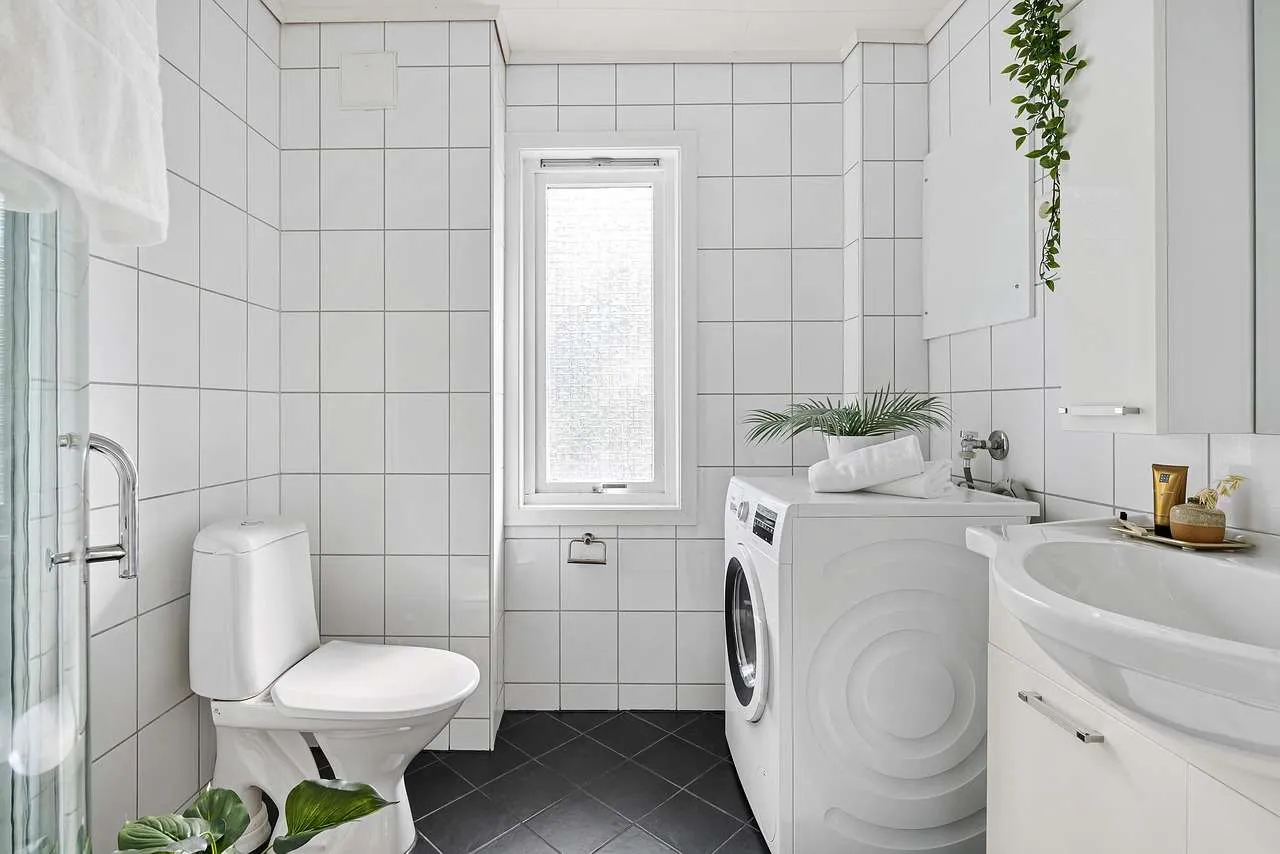
Bathroom tiles do more than cover walls and floors; they define the character of a room, influence how light behaves, and protect the space from moisture. When selecting bathroom tiles, homeowners must consider moisture resistance, slip safety, stain durability, and how the design holds up over time. This guide draws on practical installation experience and design best practices to help you choose bathroom tiles that fit your lifestyle, budget, and home style—whether you favor sleek modern surfaces or timeless textures.
Common Bathroom Tile Materials
Tile choice begins with material. Ceramic tiles are among the most versatile options, offering a broad range of colors, patterns, and finishes at accessible prices. Porcelain tiles, a type of ceramic fired at higher pressure, are denser and less porous, making them excellent for walk-in showers and wet zones. They withstand moisture well and resist staining when properly installed.
Natural stone, such as marble, travertine, or slate, delivers a premium look but requires more care. Stone typically needs sealing to protect against stains and etching, and some varieties may wear unevenly in high-traffic bathrooms. Glass tiles add brightness and a contemporary touch, often used as accents, backsplashes, or inside shower niches; however, they can be more expensive and require precise installation to avoid chipping and grout haze.
Large-format tiles (for example 12x24 inches or larger) create a sense of openness by reducing grout lines, while small mosaics or penny rounds provide texture and grip, especially on shower floors. When selecting materials, balance aesthetics with performance—slip resistance, water absorption, and cleaning routines all matter for a long-lasting result.
Size, Pattern, and Layout Options
Tile size dramatically shapes a bathroom’s mood. In small bathrooms, large-format tiles can reduce a cramped feel by minimizing grout lines; in larger bathrooms, they create a clean, uninterrupted surface. Common sizes include 4x4, 6x12, 12x24, and 24x24 inches. Pattern options range from a simple grid to more dynamic layouts like running bond, herringbone, or diagonal arrangements. Patterns can emphasize space, direction, or a focal wall behind a vanity or tub.
Consider slip resistance for floor tiles. Some finishes offer more grip, while polished surfaces may be beautiful but slick when wet. For showers, pairing textured or matte finishes with a non-slip icon on the label is a practical safeguard. Proper installation is essential to preserve alignment and sealing, especially with large-format or natural stone tiles.
Installation and Maintenance Tips
Professional installation often yields the best waterproofing and long-term performance, particularly for porcelain, large-format, or stone tiles. Substrate preparation, appropriate thinset mortar, and correct grout selection prevent cracking, cracking and water intrusion. Choose grout colors that hide dirt and are easy to clean; epoxy grouts are durable and stain-resistant but can be harder to work with than cement-based grouts. Seal natural stone or unglazed tiles as recommended by the manufacturer, and re-seal periodically to preserve color and stain resistance.
Maintenance varies by material. Glazed ceramic and porcelain tiles are generally low maintenance and easy to wipe down with mild cleaners. Glass tiles require gentle, non-acidic cleaners to avoid streaks. Stone tiles need a sealing routine aligned with the stone type and environmental exposure. Regular cleaning, prompt attention to spills, and resealing when required help tiles keep their color and texture for years.
Cost Considerations and Planning
Budgeting for bathroom tiles involves material cost, labor, and additional essentials like waterproofing membranes, edging trims, and grout. Ceramic tiles often cost between $1 and $3 per square foot, while porcelain tiles typically range from $3 to $7 per square foot. Natural stone can be $5 to $15 per square foot, and glass tiles are frequently $7 to $20 per square foot. Labor prices vary by region and project complexity. A smart plan balances durability with the desired look, ensuring the investment aligns with your home’s resale value and your daily routine.
Comparison of Popular Tile Types
| Tile Type | Pros | Cons | Typical Cost/sq ft | Maintenance |
|---|---|---|---|---|
| Ceramic | Affordable; wide range of colors/textures | Less dense; moderate durability | $1–$3 | Easy to clean; low maintenance |
| Porcelain | Highly durable; low water absorption | Can be hard to cut; may feel cold | $3–$7 | Low maintenance; resealing rarely needed |
| Natural Stone | Luxurious appearance; unique veining | Needs sealing; higher maintenance | $5–$15 | Sealing and periodic care required |
| Glass | Bright, reflective; modern look | More expensive; can chip | $7–$20 | Easy to clean; grout may stain without sealing |
Conclusion
In summary, selecting bathroom tiles involves balancing aesthetics, performance, and budget. Ceramic and porcelain provide reliable, stylish options with low upkeep, natural stone delivers a luxurious feel with a care routine, and glass accents brighten spaces. Think about foot traffic, slip resistance, and maintenance when choosing tile sizes and patterns, and invest in proper installation and sealing to maximize longevity. By aligning material choice with room layout, lighting, and budget, you can achieve a durable, beautiful bathroom tile design that stands the test of time.
Summary, the right bathroom tiles unite function and style to create a lasting, comfortable space that you’ll enjoy every day.
Related Articles
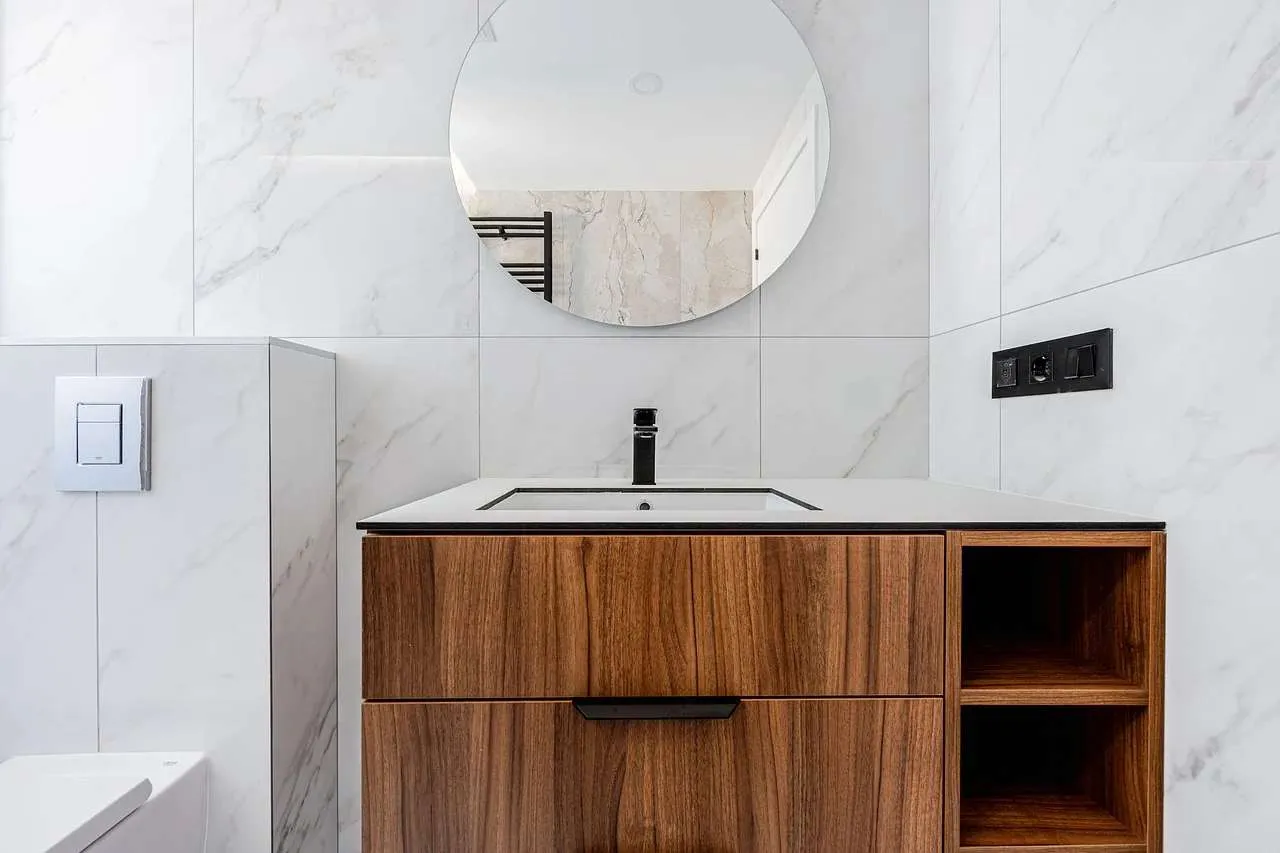
Bathroom Tile: Styles, Installation & Tips
Read More >
Bathroom Decor Ideas: Stylish & Budget-Smart Tips
Read More >
Bathroom Accessories: Essentials for Style and Function
Read More >