Window Tint for Home: Benefits, Types & Guide
Date
2026-01-10 11:33:28
Category
Window
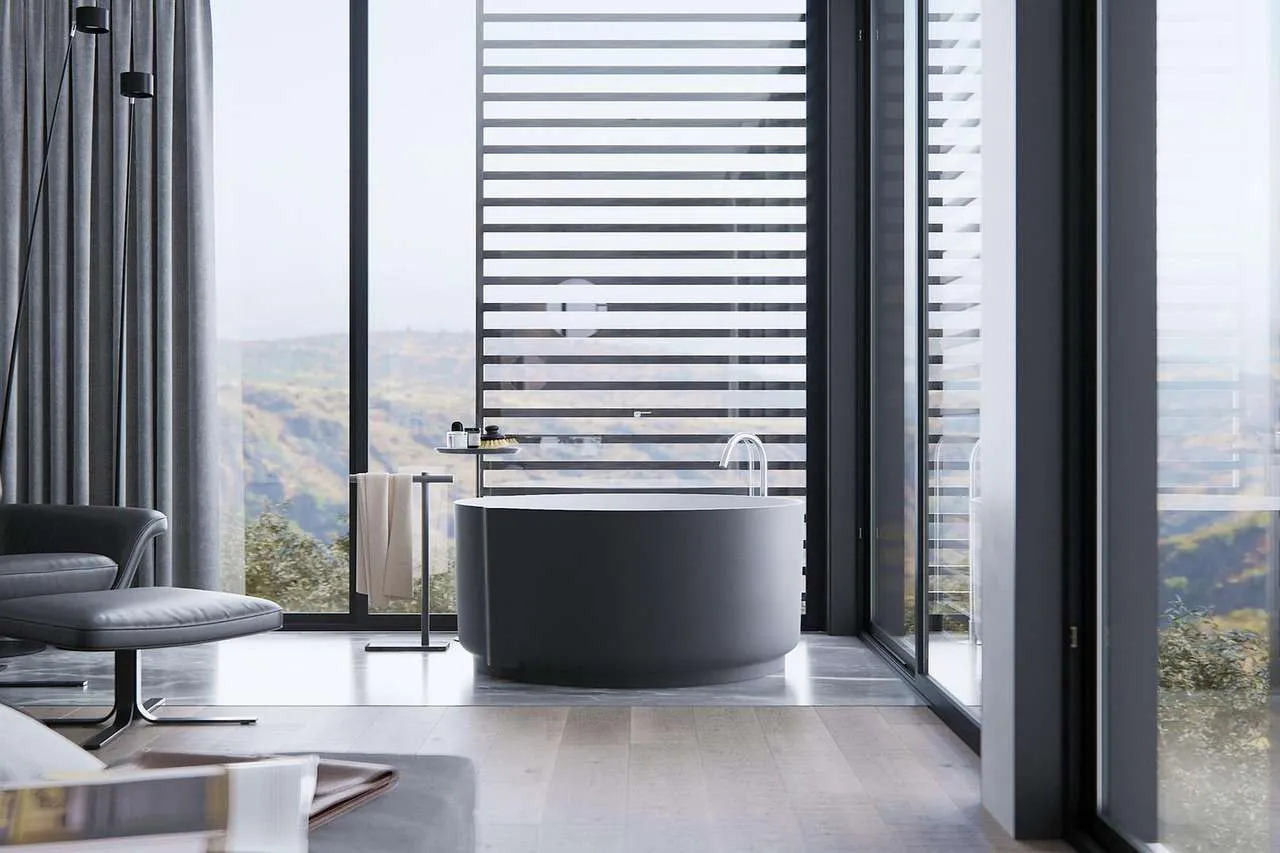
Overview: What is Window Tint for Home?
Window tint for home refers to a protective film applied to residential glass to reduce heat, block UV rays, minimize glare, and enhance privacy. Modern films are designed to be unobtrusive, durable, and customizable to fit various architectural styles. For homeowners, the right tint can improve comfort, protect furnishings, and lower cooling costs while maintaining exterior curb appeal.
Why Homeowners Consider Window Tint
Choosing a residential window film is not just about reducing heat. It also shields interiors from sun damage, helps regulate indoor temperatures, and reduces glare on screens. In homes with large south- or west-facing windows, tinting can curb seasonal heat spikes, extend the life of furniture and carpets, and create a more consistent living environment. It can also add privacy without sacrificing natural light when selecting the right VLT (visible light transmission) level.
Benefits of Window Tint for Home
- Energy efficiency: lowers cooling loads by rejecting solar heat
- UV protection: blocks up to 99% of harmful ultraviolet rays
- Glare reduction: improves comfort for TVs, computers, and reading
- Furnishings protection: reduces fading of rugs, furniture, and artwork
- Privacy and aesthetics: increases privacy while preserving exterior clarity
Types of Residential Window Films
Dyed Window Films
Dyed films are among the most budget-friendly options. They primarily reduce glare and offer a darker appearance. While they provide decent UV protection, their heat rejection varies and the tint can fade over time if exposed to harsh conditions.
Metalized Window Films
Metalized films incorporate metallic particles to reflect heat. They deliver strong heat rejection and can be highly effective at reducing energy use. However, they may interfere with certain electronic devices and can create a metallic sheen that is noticeable from the outside.
Ceramic Window Films
Ceramic films use nonconductive, nonmetallic particles to offer excellent heat rejection, UV protection, and clarity without interfering with signals or causing reflections. They are typically more expensive but provide the best overall performance for most homes.
Hybrid and Specialty Films
Hybrid films blend dyes and metals to balance cost and performance. Specialty films may offer additional features such as anti-graffiti coatings or security benefits. When choosing a film, consider your climate, home orientation, and budget.
Energy Efficiency and Glare Reduction
Effective window tinting reduces solar heat gain, measured as the solar heat gain coefficient (SHGC). A lower SHGC means less heat enters your home. Ceramic and high-quality hybrid films typically achieve higher IR (infrared) rejection, keeping interiors cooler in summer and reducing the need for air conditioning. In addition, UV blocking preserves interior finishes and protects occupants from long-term exposure.
How to Choose the Right Film
Consider climate, typical sun exposure, and interior goals when selecting a film. If privacy is a priority, aim for a mid-range VLT with a darker appearance. If maximizing energy savings is key, look for films with high IR rejection and low SHGC. Always verify view-through during daytime to ensure you don’t sacrifice natural light or external visibility.
DIY vs Professional Installation
DIY kits are available, but professional installation is generally recommended for best results. Pros can ensure a bubble-free finish, proper edge sealing, and a uniform appearance across large panes. They also provide warranties and can handle unusual glass shapes or skylights. A licensed installer often offers a manufacturer warranty that protects against peeling, bubbling, or discoloration.
Cost Considerations
Costs vary by film type, window size, and labor. Dyed films are typically the most affordable, while ceramic films carry a higher upfront price due to performance. Expect a wide range per square foot based on your region and installer. While the initial outlay is a consideration, the long-term energy savings and furniture protection can justify the investment.
Maintenance and Longevity
Maintaining tint requires simple care: clean with a soft microfiber cloth and non-abrasive cleaner. Avoid ammonia-based products, which can degrade some films. Most high-quality films come with warranties lasting 5 to 15 years, depending on the product and installation quality. Regular checks for peeling or bubbling can help catch issues early.
Table: Comparison of Common Window Film Types
| Film Type | UV Rejection | Visible Light Transmission (VLT) | IR Rejection | Pros | Cons |
| Dyed | 60-90% | 35-70% | Low | Low cost, glare reduction | Colors can fade; not the best heat control |
| Metalized | 70-99% | 15-70% | Medium-High | Excellent heat rejection, durable | Potential signal interference; reflective |
| Ceramic | 99% | 35-70% | Excellent | Strong UV protection, non-metallic | Higher cost |
| Hybrid | 80-95% | 35-60% | Medium | Balanced performance | Mid-range cost |
Professional Guidance and EEAT Considerations
To align with EEAT standards, choose installers who publish credentials, warranties, and customer reviews. Look for documented project portfolios, transparent pricing, and aftercare instructions. A reputable professional can help you select a film that matches your goals, install it correctly, and stand behind their work with a warranty. Checking local regulations about visible reflectivity and allowable darkness ensures compliance and peace of mind.
Maintenance, Warranty, and Aftercare
Follow manufacturer cleaning guidelines and schedule periodic inspections to catch edge peels or bubbling early. A valid warranty protects against factory defects and improper installation. Ask your installer about coverage length and what conditions void the warranty. This due diligence reinforces trust and reduces the risk of dissatisfaction later.
Conclusion and Next Steps
Window tint for home offers meaningful benefits in comfort, protection, and energy savings. By understanding film types, evaluating your climate, and choosing a qualified installer, you can achieve lasting results. Plan for a clear VLT level, verify UV rejection, and consider long-term maintenance to maximize value.
Summary: Window tint for home can deliver UV protection, glare reduction, energy savings, and increased privacy. By choosing the right film type for your climate, ensuring professional installation, and maintaining the film, homeowners can enjoy lasting comfort and value.
Related Articles
Home Window Tinting: Comfort, Privacy, and Savings
Read More >
Home Window Tinting Near Me: Find Quality Installers
Read More >
Home Window Repair: Expert Guide
Read More >